



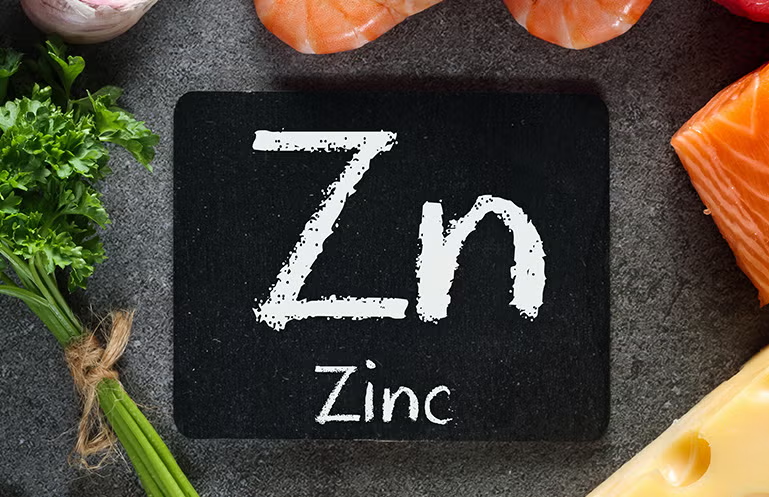
Zinc is an essential mineral that’s found in cells throughout your body. Zinc occurs naturally in a range of foods, especially meats, shellfish, and dairy products. Beyond these natural food sources, zinc supplements can provide zinc, though may not be necessary with a balanced diet.
WHAT IS ZINC GOOD FOR?
Zinc plays a key role in some major body functions and systems. One of the most important lies in the immune system, where zinc supports the healthy growth and function of immune cells. Adequate amounts of zinc keep the body’s protector cells—like lymphocytes, macrophages and neutrophils—going strong, helping the immune system fend off invaders. Studies also indicate that zinc has antioxidant properties.
This mighty mineral plays a fundamental role in enzyme function, as well. More than 100 enzymes are dependent on zinc to act as a catalyst, setting off chemical reactions that help moderate cellular metabolism.
Zinc is a necessary element in the synthesis of several proteins, helping them to bind to DNA and regulate gene expression. This contributes to healthy cell division, growth and development. For children, zinc plays an important role in proper neurological and physical development and growth.
Zinc has been used topically for thousands of years to aid wound healing. Modern studies suggest that zinc supports this traditional use and multiple aspects of the wound healing process including tissue repair and collagen synthesis.
Zinc may play a role in supporting intestinal health and maintaining a balanced gut microbiome. It’s also a key component in the sense of both taste and smell, and may help to support eye health.
WHAT BENEFITS DOES ZINC PROVIDE?
What benefits does the body derive from proper zinc intake? In the immune system, zinc functions as a “gatekeeper” that helps support immune response thanks to its antioxidant properties.
Eating a healthy, balanced diet that’s full of zinc rich foods is the best way to get adequate amounts of this powerful mineral. Fortunately, supplements are available if you’re not able to get enough zinc through your diet.
HOW MUCH ZINC DO YOU NEED?
Zinc is a “trace element”. That means small amounts go a long way. According to the National Institutes of Health, adult (19+) men need about 11 mg of zinc each day and women need about 8 mg. The recommended daily allowance is higher for those who are pregnant, at 12 mg per day, and breastfeeding, at 13 mg per day.
The recommended daily allowance for children is as follows:
- Age 0 to 6 months: 2 mg
- Age 7 to 12 months: 3 mg
- Age 1 to 3 years: 3 mg
- Age 4 to 8 years: 5 mg
- Age 9 to 13 years: 8 mg
14 to 18 years: Males 11 mg, females 9 mg (pregnancy 12 mg, breastfeeding 13 mg). Because your body doesn’t produce zinc on its own — or have a way to store it — you have to obtain zinc through food or in supplement form, such as capsules, pills or zinc lozenges. In most cases, you can get the zinc you need by eating a healthy, balanced diet that contains zinc rich foods.
Fortunately, most people can obtain an adequate amount of zinc through their diet and occasional supplementation. But some populations are more susceptible to a deficiency, such as pregnant and breastfeeding women, children, teens, people with digestive disorders, vegetarians/vegans, those who don’t get adequate nutrition, and those with certain chronic illnesses.
READ MORE: 10 FOODS HIGH IN ZINC
WHAT ARE SIGNS OF A ZINC DEFICIENCY?
Overall, mild zinc deficiency is estimated to affect more than two billion people around the world. While severe zinc deficiency is relatively rare in North America, in less-industrialized countries, young children and teens may be at higher risk of not getting enough zinc.
People who suffer from certain gastrointestinal conditions — including Crohn’s disease, short bowel syndrome and ulcerative colitis — those with sickle cell anemia, alcoholics, and those who adhere to a vegetarian or vegan diet (a diet that does not include meat) may be at higher risk of zinc deficiency. Pregnant and lactating women with an increased dietary need for zinc may also be susceptible to zinc deficiency.
Though rare, symptoms of zinc deficiency include:
- Appetite loss
- Weight loss
- Diarrhea
- Delayed wound healing
- Impotence
- Hair loss
- Skin and eye lesions
- Slowed growth and development
Inadequate amounts of zinc may impact your immune health so be sure to continue eating a balanced diet full of zinc rich foods. When in doubt, consult with your physician, such as your primary care physician or a virtual doctor through GNC Health, and discuss whether the addition of a zinc supplement may help. Check out GNC’s selection of zinc products to find the one that best fits your needs.
